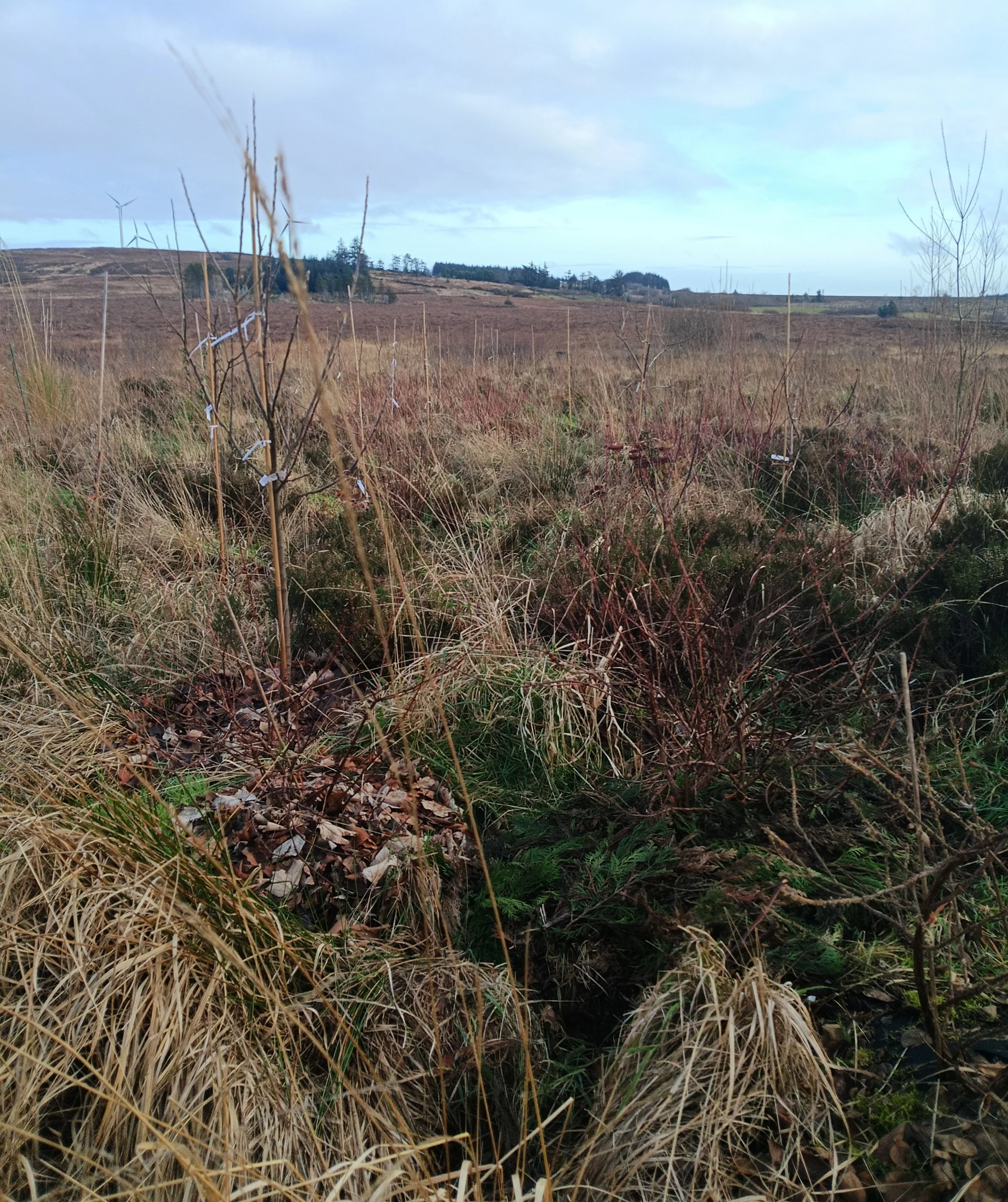
‘how to’ plant an apple tree in peatlands 101
Whilst restoring the bog, planting has to be done sooner or later. The question is how to go about it bearing in mind a few salient points -
Bog requirements for low-fertility over-rides plants’ requirements.
Bog requirements for minimal decomposition over-rides plants’ requirements.
Bog needs to sequester carbon by remaining water-logged so the water table has to be maintained throughout the year. If water table drops damage will be done to the bog and if too water-logged further damage will be done through the release of much more dangerous GHG Methane.
Before planting trees, you must consider what plants and trees you wish to grow in the bog which means quite a bit of research. Say for example, you wish to grow apples. Which cultivar and which rootstock would be the first question. As an example, I have detailed below such considerations as we have determined in planting an apple tree in the bog. This is not a guide but simply how we have gone about it.
Planting an apple tree
We are trialling a few methods but the method detailed below is the most common one we use. Obviously not applicable to plants like blueberries where we use different methods.
Apple cultivar example – Irish Heritage variety called Eight Square hailing from County Monaghan. We bought it bare-root from a wonderful gentleman called Danny from the Heritage Fruit Tree Nursery, Leitrim as a two year old on MM106 rootstock. Not only are they experts in all manner of fruits, they also have the largest selection of apple trees in Ireland.
Immediately, our thoughts were – right apple cultivar, quite precocious/ moderately vigorous, diploid, late harvest, quite disease resistant, self-fertile flowering group 4, harvest September, pollen germination group of 15.c.. Diploid means 2 sets of chromosomes 2n. We have other compatible cultivars from Danny so we have pollination partners lined up.
Secondly, the rootstock. The tree comes with the standard MM106 rootstock – as most trees in Ireland do. It’s known as semi-dwarf which means the genetic potential, if all things being equal, will eventually allow the tree to be 3-4 metres wide x 3-3 metres high. Because we are growing directly into the water-logged bog, we would have preferred M7, MM116 or even the MM111 rootstock but alas we take what we can have. The main reason is that MM106 rootstock is extremely susceptible to phytophthora (crown rot), canker and fire blight which has now arrived in Ireland from mainland Europe. On a positive note, it appears to be resistant to apple woolly aphid. Most trees we purchased came with MM106 rootstock so ho hum.
So the bare root tree will arrive early spring. You need to get into the bog before then.
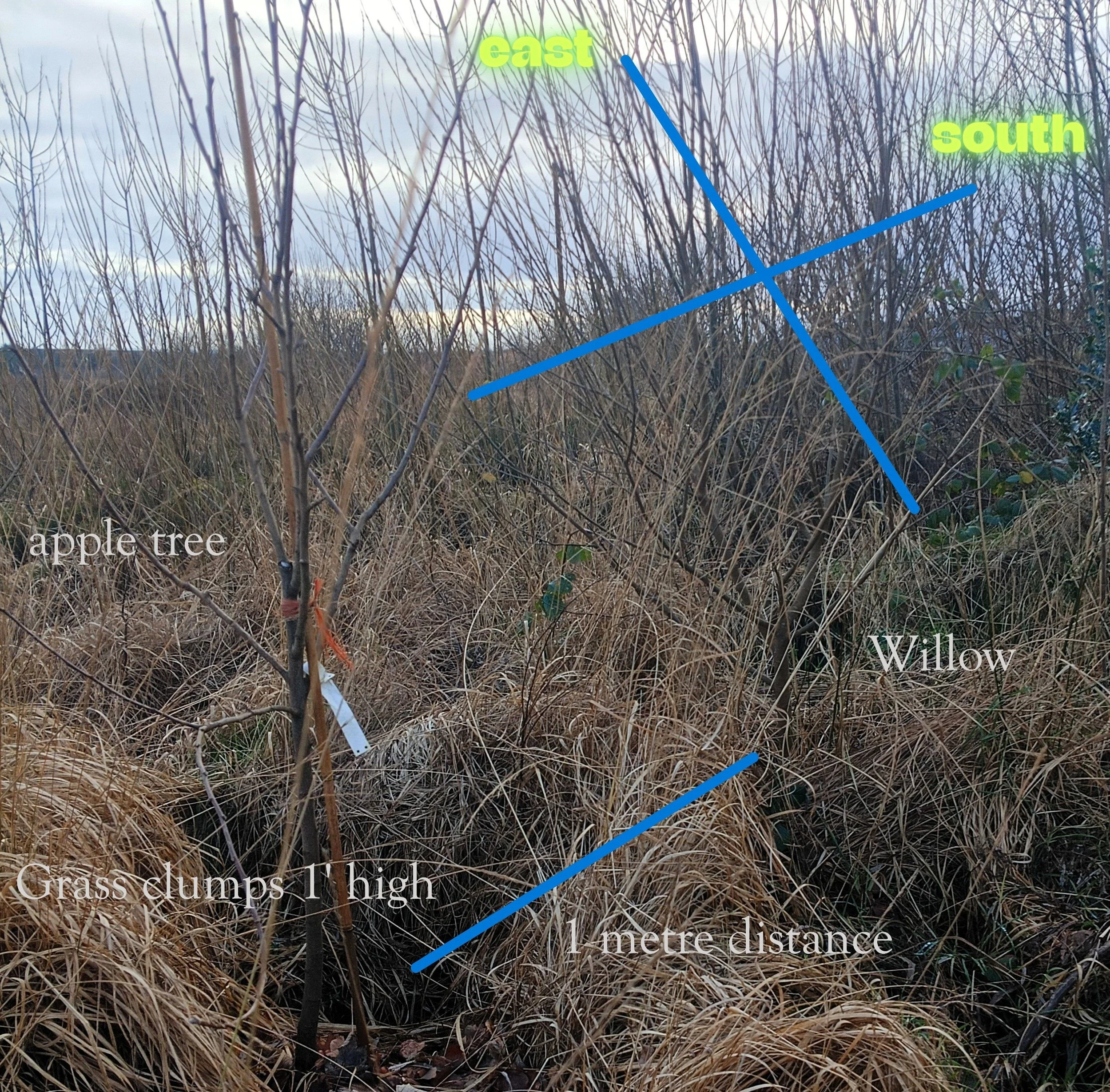
The first rule to follow (not just from the permaculture perspective) is absolutely no digging. No scraping off the surface layer either and unless you have nettle or brambles, you do not do anything. Even if there is a patch of heather right where you are going to plant the apple tree, leave it well alone. More importantly, if like us, you have 1-2 foot high clumps of molinia caerulea (purple moor grass) everywhere, leave them well alone. Plant your apple tree between and around these clumps.
Now you will need to layer the planting MOUND. The mound at the centre should be between 9” – 15” high. The mound should be approximately 0.5 - 1 metre wide tapering off radiating from the centre where your apple tree will be planted. That approximately 1 metre wide mound will have to be built up around obstacles because of rule number 1 – no digging. The idea is to create minimal disturbance.
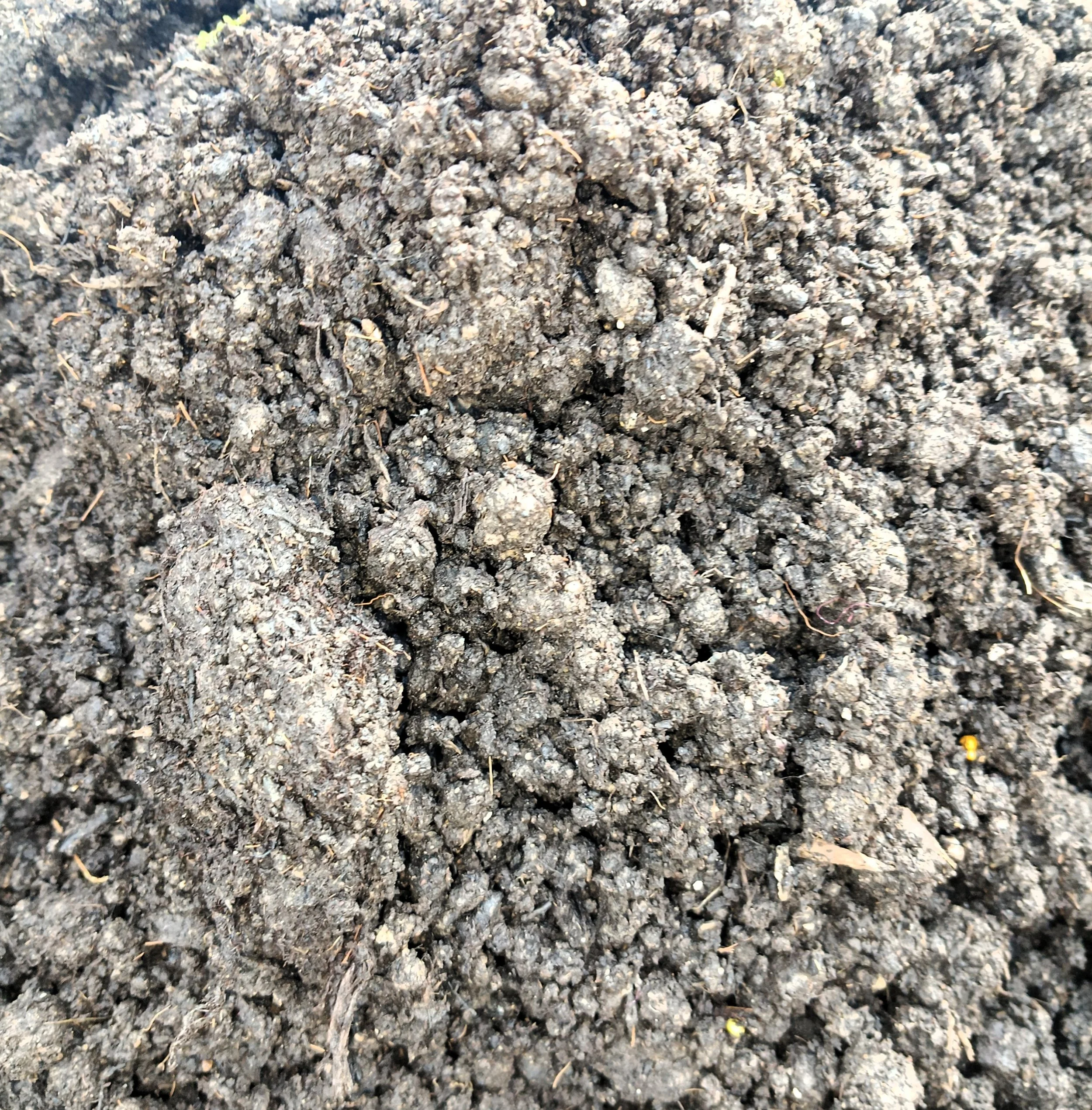
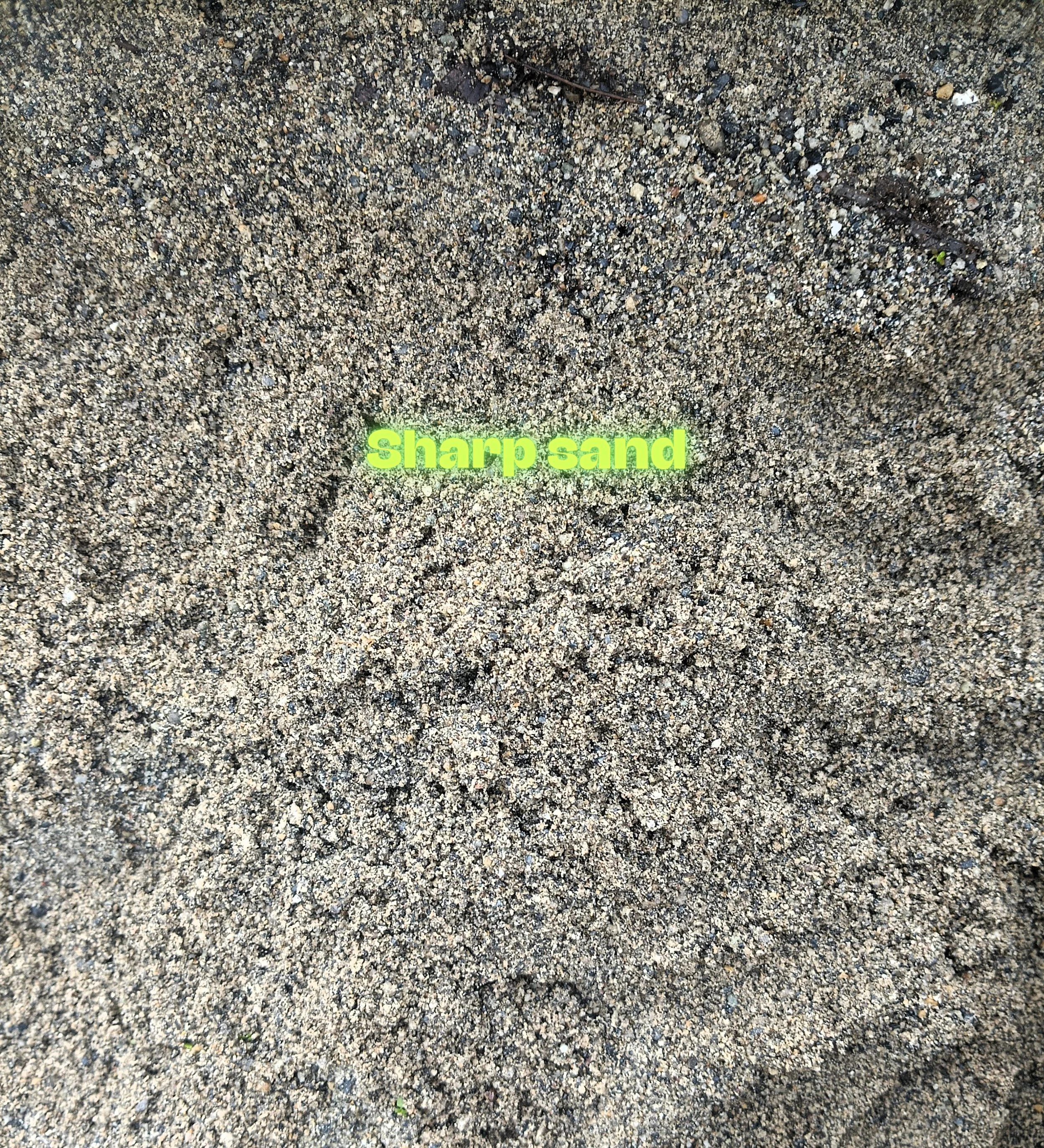
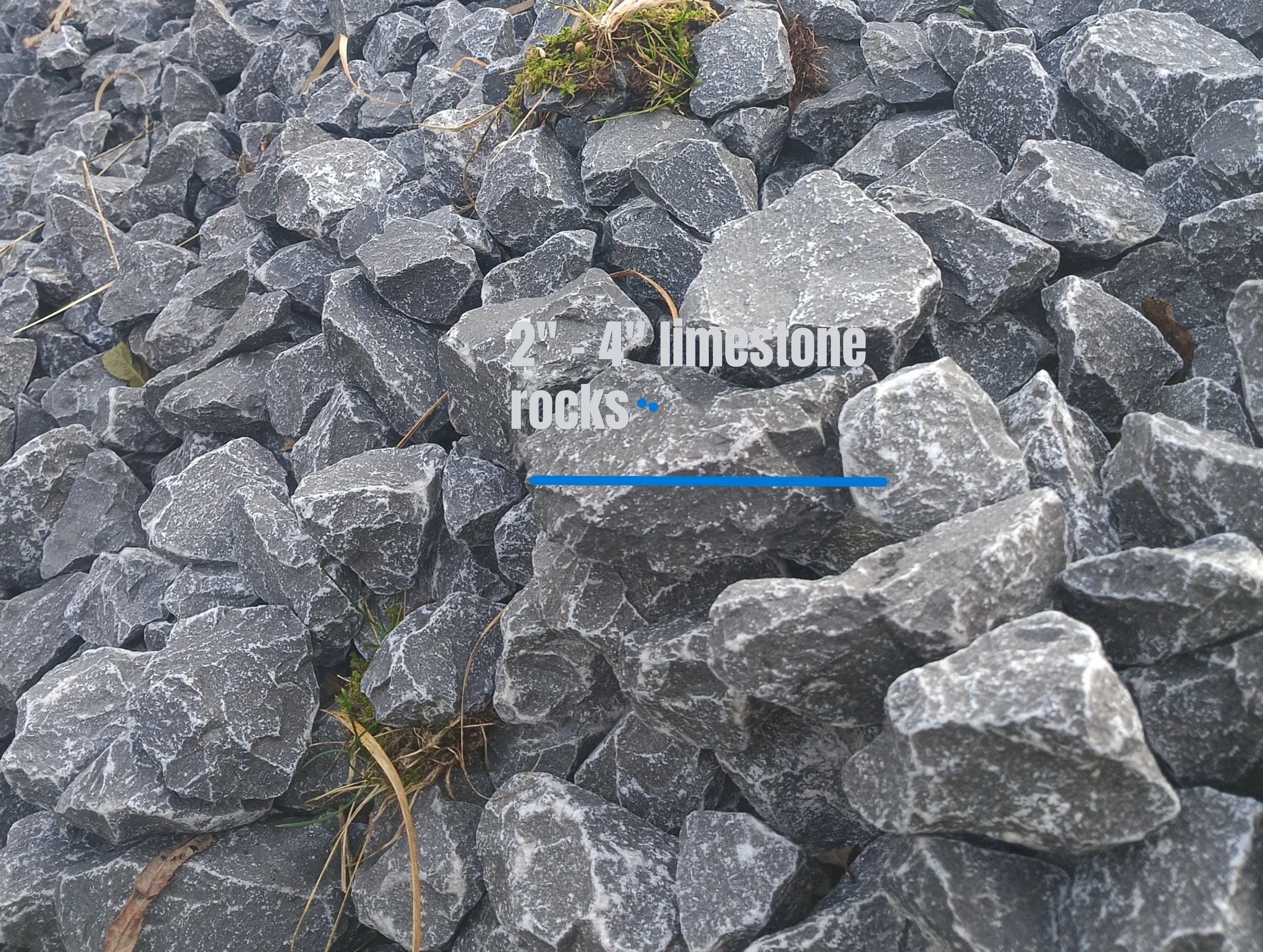
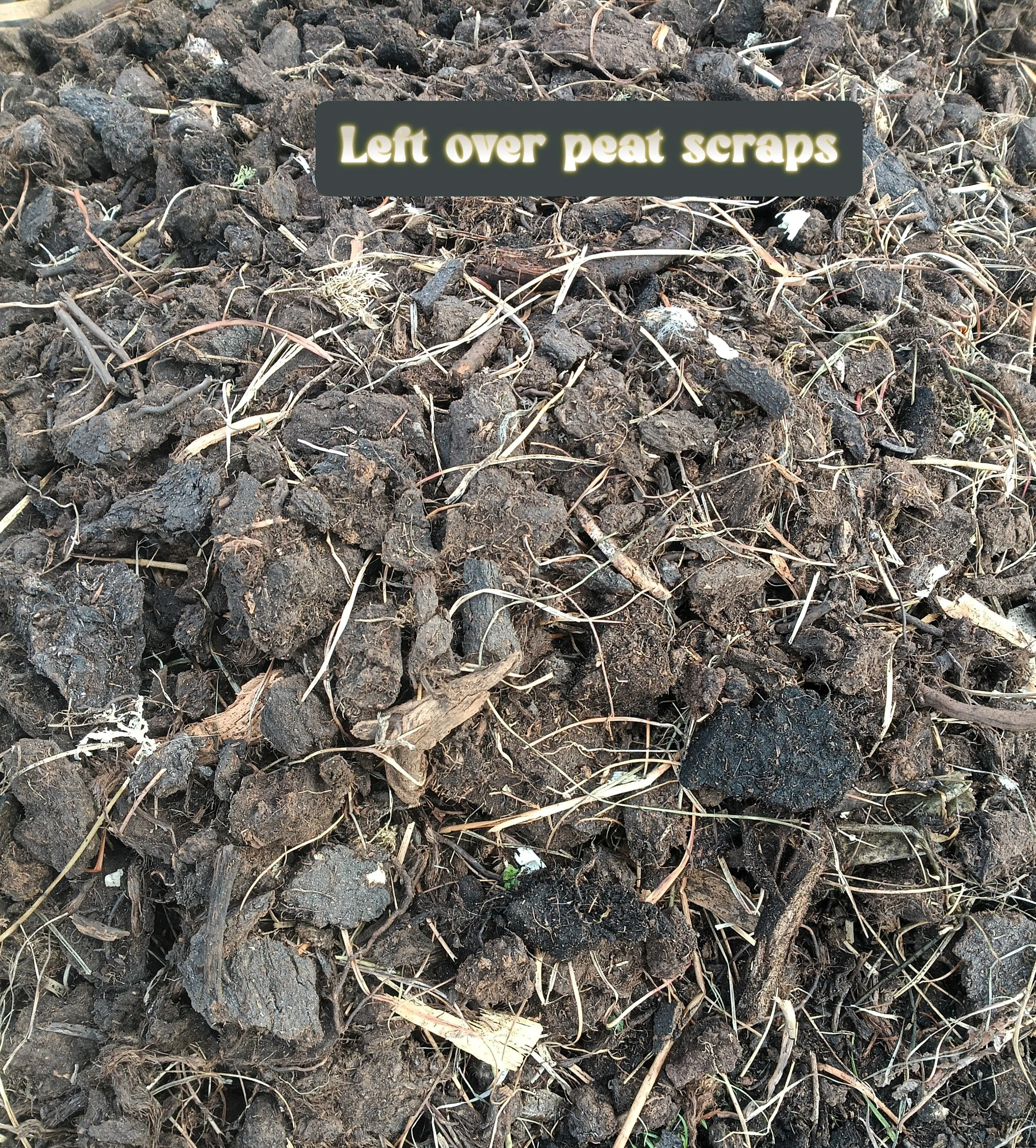
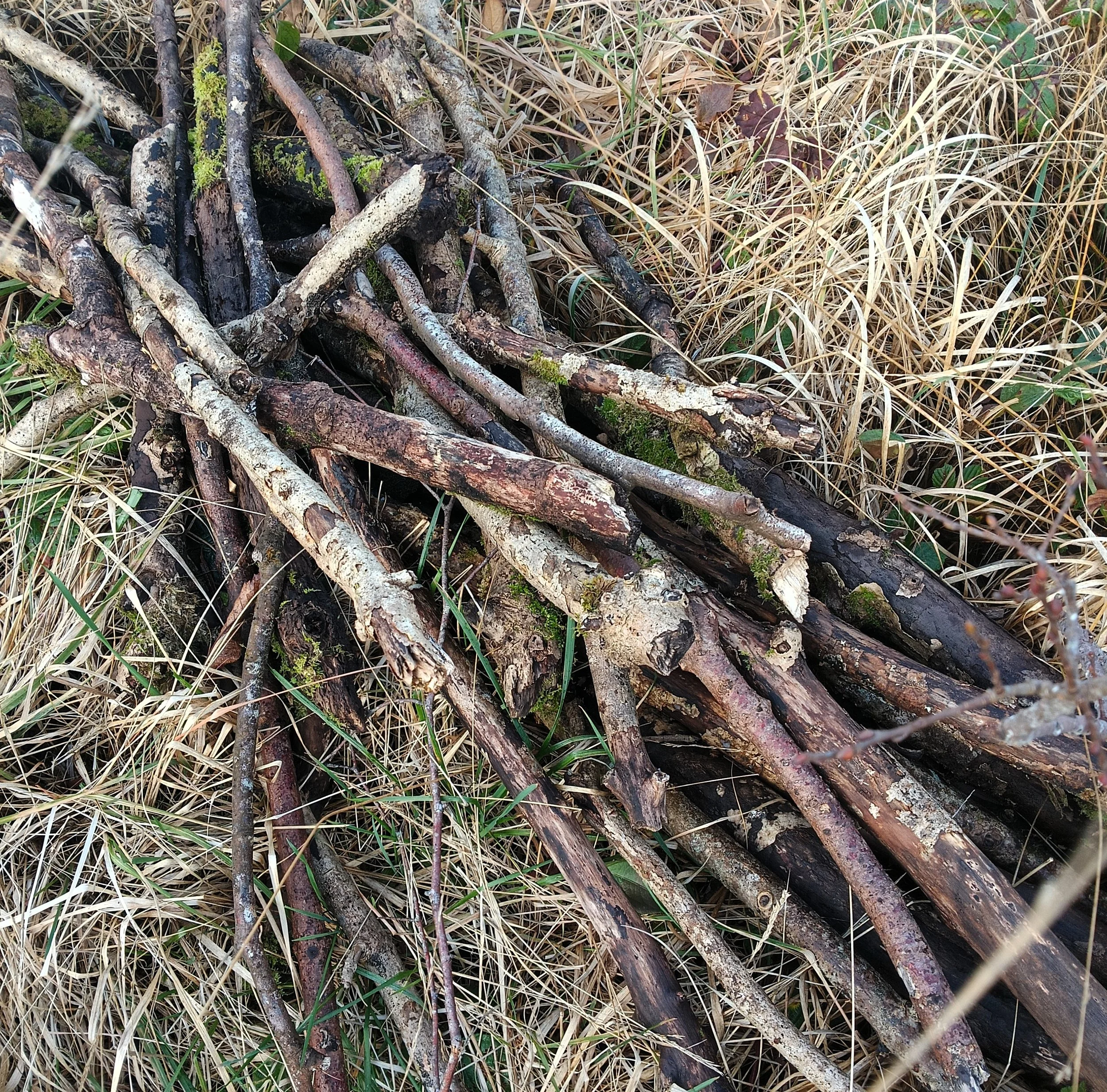
First layer to put down has to be almost inert. In our case, we use limestone rocks between sizes 1” – 4”. The rock layer is to ensure minimal interaction between bog surface and the rest of the material you will be piling on top. The second later on top of the rocks will be turf scrapings. Every year when turf sheds are cleared out, there are always bits and pieces of turf. Use that as the second layer because oxidised turf has very low nutrient level so again to keep interaction minimal. Make sure to tamp it all down, without any tools obviously, so that you will achieve at least 4” high mound. The third layer (another 2”) consists of the same rocks and this is where it gets tricky – an equal mix of any soil, left over turf, scrapings, any vegetation that has not entirely decomposed. Any vegetation except nettles and brambles. The next stage is to put a stake – wooden or bamboo it does not matter. If your site suffers from high wind and gusts, these stakes will need to last 3 – 4 years and be strong enough to withstand the constant battering. You then place the lovely bare-root tree next to the stake and tie it up. So your bare root tree is now sitting at least 6” above the surface of the bog. Here at Boleysillagh Farm, some trees have to be planted even higher because of the variation in water table across the site.
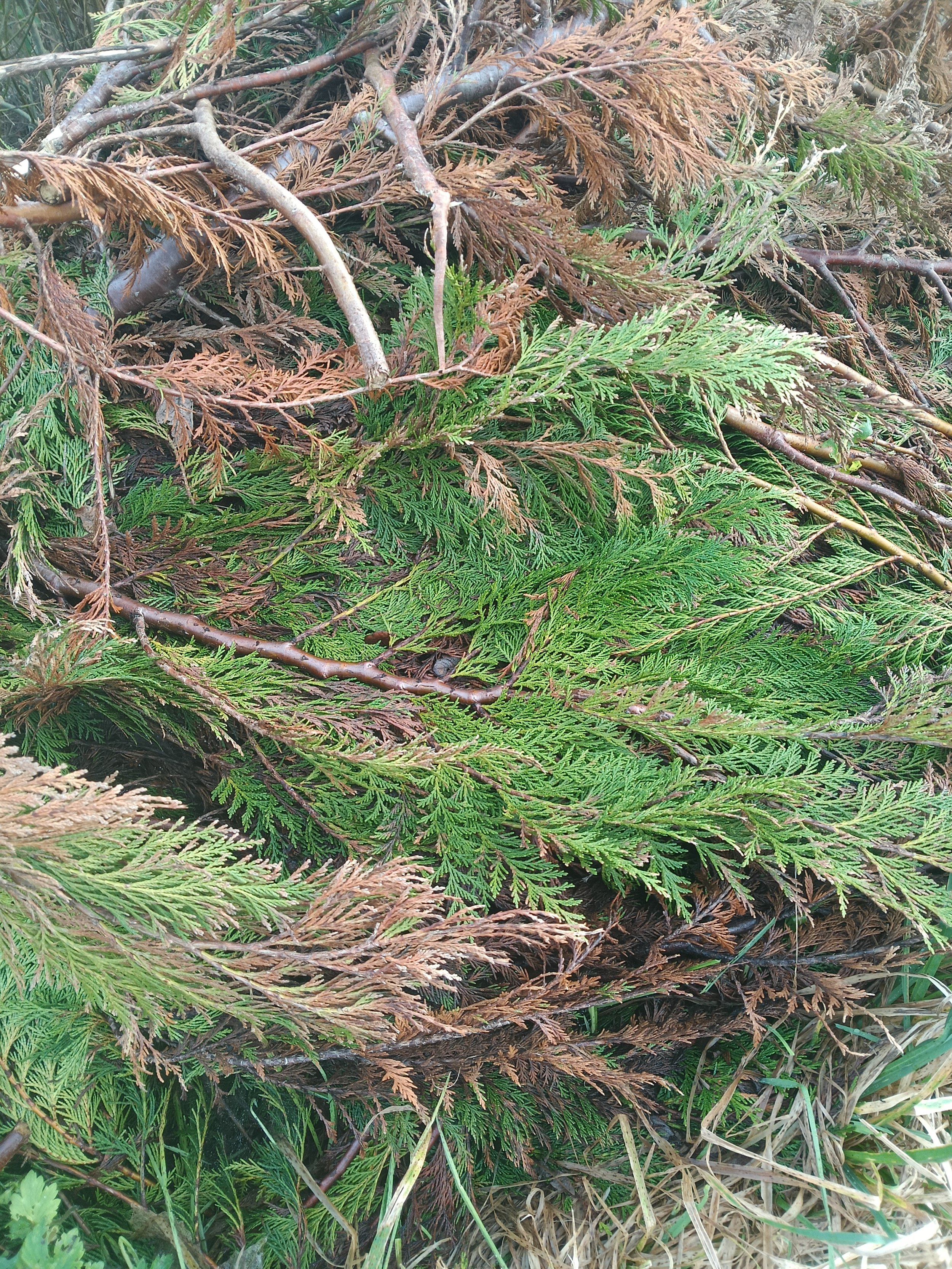
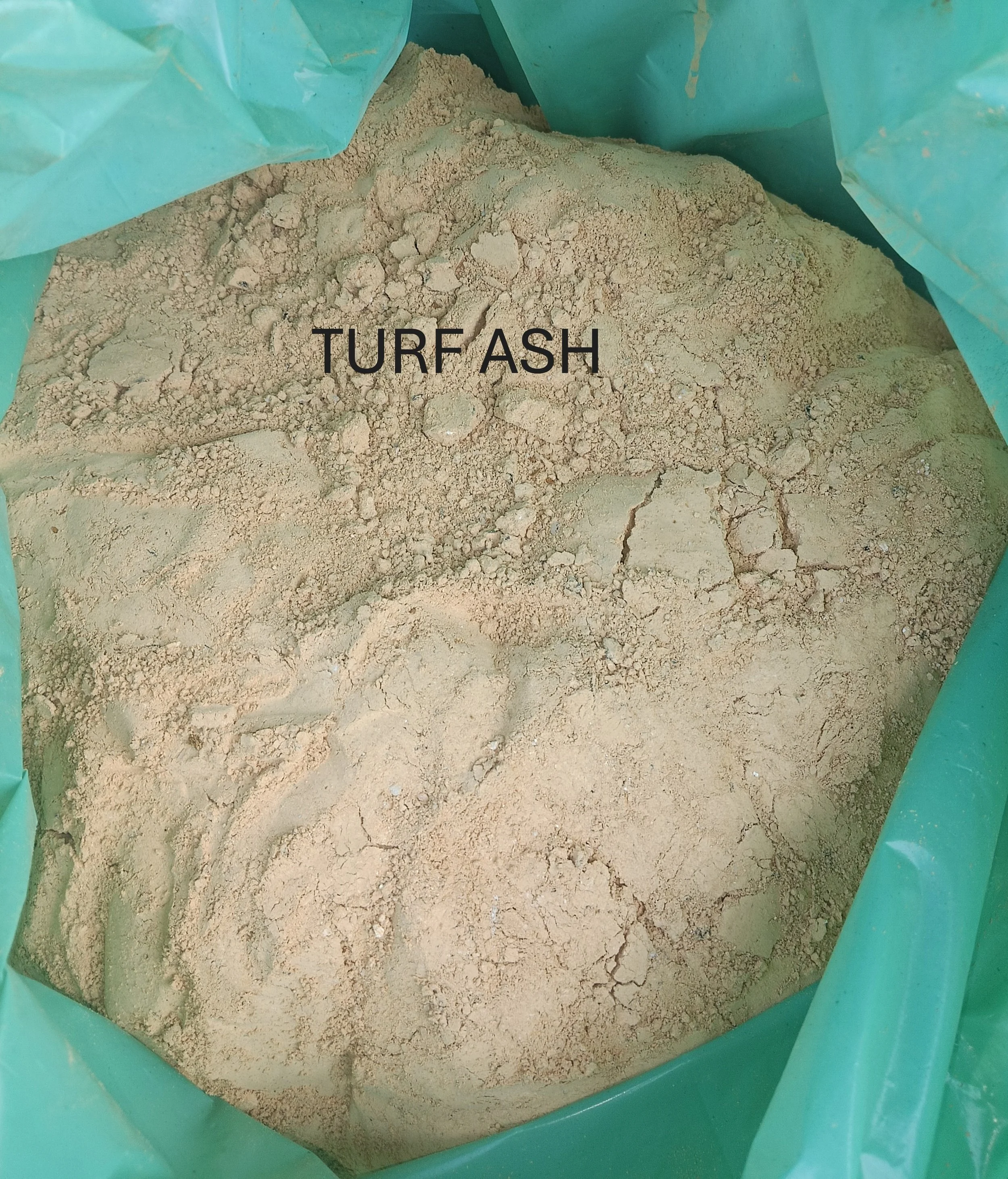
The next stage is for you to cover up the bare roots with vegetation/ any organic matter, a bit of soil, a bit of turf ash right up to the crown. We are looking at 6” high to the crown. Not any higher. Remember, you are not relying this form of burial to keep the tree up. The tree has to stay up with the stake only so proper tying is vital. Remember, no fertiliser, no manure, wood chip, any fish, blood and bone, no properly composted organic matter of any sort. We do not want the rain wash-off taking place.
Ultimately, what you are trying to achieve is a very slow steady incremental growth. Everything you do is to keep the plant alive with very little nutrient availability. You want the plant to establish and grow very slowly. There will be sufficient level of nutrients from the rain and sun and as the organic matter and biomass decomposes, the tree will get nutrients – again very slowly. This minimises the detrimental effects on the bog biogeochemistry and the activities of the microbes, bacteria and fungal network.
Finally, at the top of this layered mound, use the purple moor grass you have collected as a mulching layer. It has very low nutritional value and takes a long time to break down. You can also put a non-woven fabric with metal pins as a mulch if that place is not easily accessible. This is to prevent too many ‘weeds’ popping up. Not a problem but that’s another topic. What about growth and yield? That’s also another topic. Indeed same goes for pests and diseases. Quite a lot to deal with for another day.
Good luck.